

Who We Are
Joseph Kennedy Foundation is a nonprofit organization committed to enhancing quality of life in underserved communities across Kenya. Founded by Joseph Kennedy Mwalegha and guided by a deep understanding of grassroots needs, our foundation was established to provide structured, impactful support where it matters most.
Our team brings together experienced professionals in community development, education, counseling, and law— all united by a shared vision of empowering vulnerable populations. We believe that every community possesses inherent strengths and resilience. With the right support and resources, communities can overcome even the most daunting challenges to build prosperous, self-sustaining futures.
What We Do
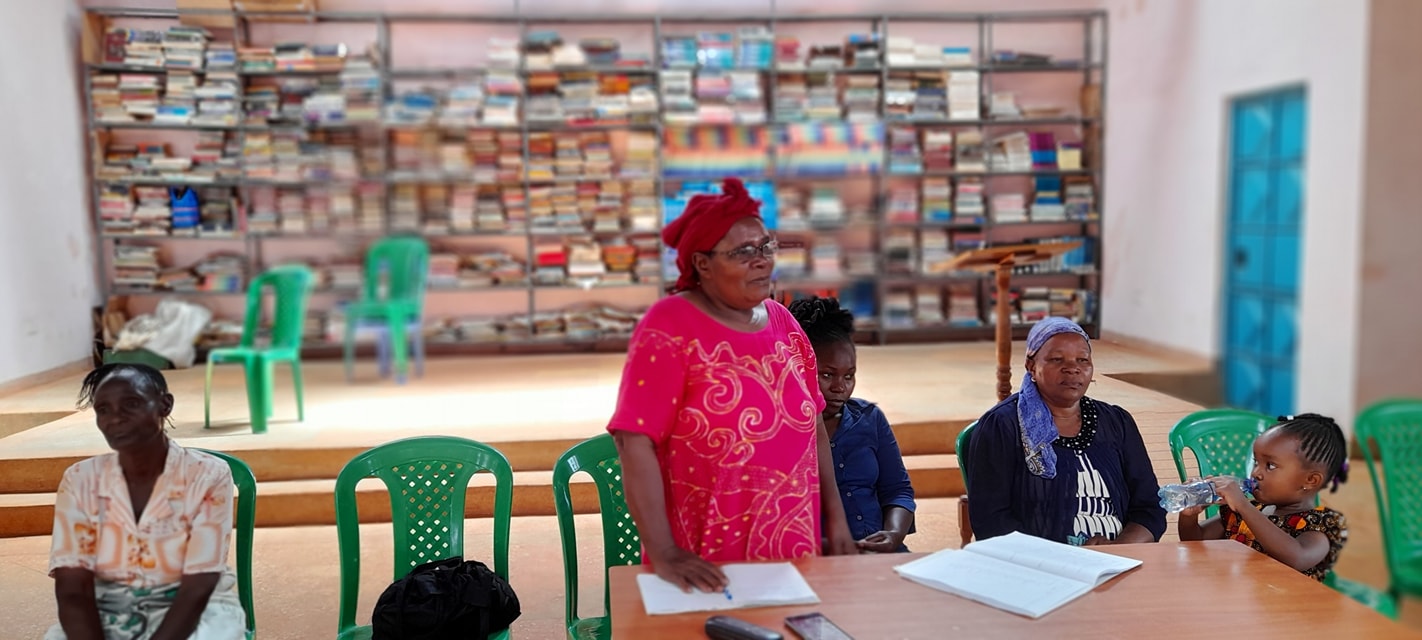
We work alongside communities to address critical social and economic challenges through strategic partnerships and community-centered programs. Our approach is collaborative and participatory, ensuring that the people we serve are active partners in their own development.
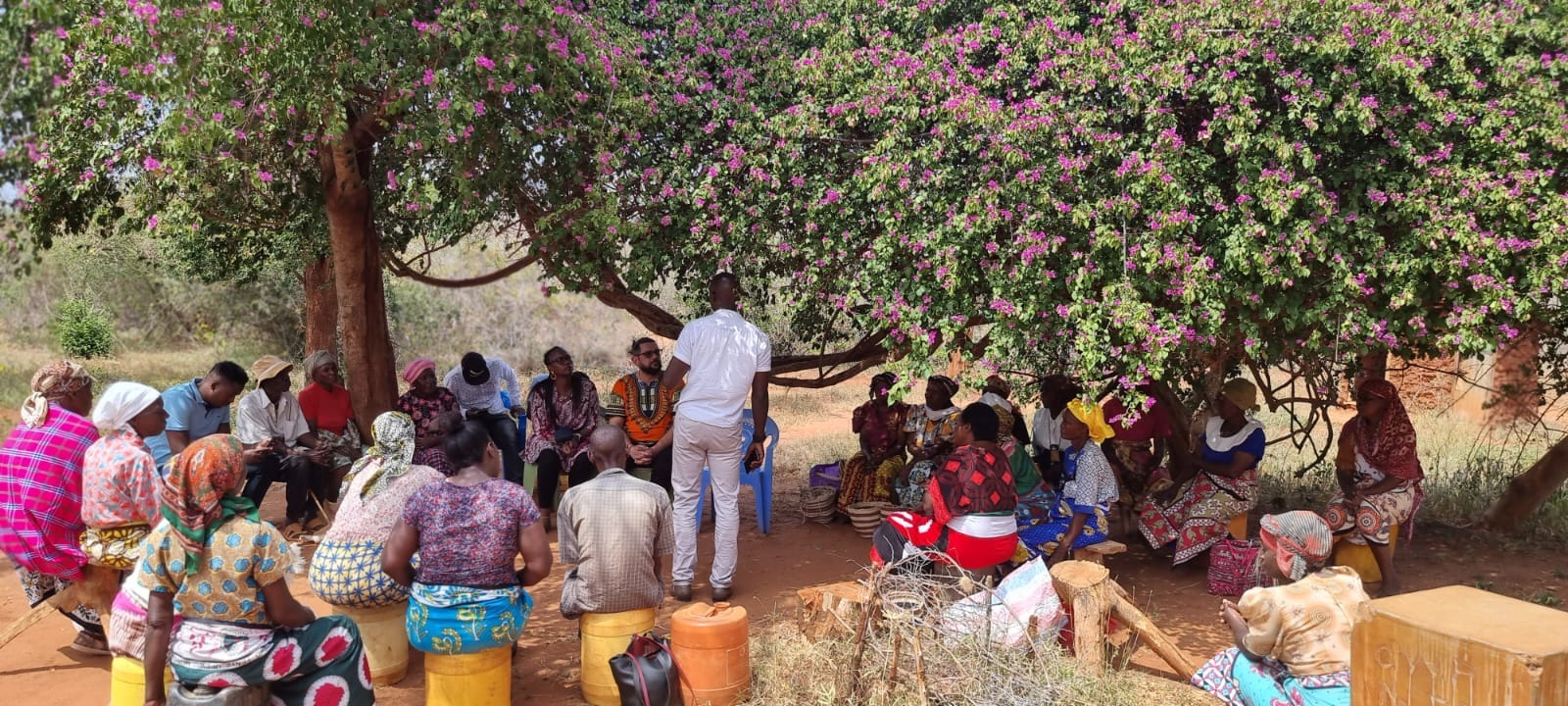
Our Process: We begin with direct dialogue with community residents to identify priority needs and challenges. Together, we develop sustainable, tailored projects that address specific local issues while building long-term capacity.
Our Programs: Our initiatives tackle fundamental challenges, including access to clean water, adequate shelter, quality healthcare, and education. We provide targeted support for vulnerable individuals—orphaned children, elderly community members, and families facing hardship. From scholarship programs and vocational training to basic needs assistance and youth development, our interventions create measurable, lasting improvements in people's lives.
Our participatory model ensures that every program is relevant, culturally appropriate, and supported by the communities we serve.

Our Approach
Every community faces unique obstacles in achieving its development goals. In underserved regions across Kenya, basic necessities remain out of reach for countless families. Yet even amid these hardships, communities demonstrate remarkable resilience and ingenuity.
The Joseph Kennedy Foundation works to amplify existing community strengths while addressing critical gaps. Through targeted interventions and sustainable programs, we create lasting improvements that enable communities to thrive independently.
Our Mission
To enhance quality of life in underserved communities by implementing effective, community-driven programs that address urgent local challenges and build sustainable pathways to economic and social empowerment.
Our Vision
To cultivate thriving, self-sustaining communities equipped with the resources, skills, and support systems necessary to overcome challenges and build prosperous futures for generations to come.
Our Methodology
We employ a community-centered approach that prioritizes local voices and ownership:
1
2
3
4

Our participatory approach is rooted in the understanding that sustainable development cannot be imposed from outside—it must emerge from within the community itself. By engaging residents as active partners rather than passive recipients, we ensure that every program reflects the cultural values, traditional knowledge, and social dynamics unique to each community. This deep cultural alignment means that interventions are not only accepted but embraced by community members, leading to higher participation rates and stronger outcomes. Local residents understand their context better than any external organization ever could—they know which solutions will work within existing social structures, which resources are available, and which approaches align with community norms. When programs are designed with this intimate cultural and contextual knowledge, they become woven into the fabric of community life rather than standing apart as foreign initiatives.
The long-term sustainability of our programs depends entirely on local ownership and relevance. Projects designed through genuine collaboration address the priorities that communities themselves have identified as most urgent, ensuring that resources are directed where they will have the greatest impact. More importantly, when community members are involved in every stage—from problem identification through implementation to evaluation—they develop the skills, confidence, and organizational capacity needed to sustain and expand these initiatives independently. This capacity-building aspect transforms our role from service provider to facilitator, gradually shifting leadership and decision-making authority to the community itself. As residents see tangible improvements in areas they have prioritized and through methods they have helped design, they develop deeper investment in maintaining and evolving these programs long after external support transitions away. This is how temporary interventions become permanent improvements, and how communities move from dependence to self-determination.
Our team